Neuro Architecture Decor Ideas That Actually Affect Your Brain

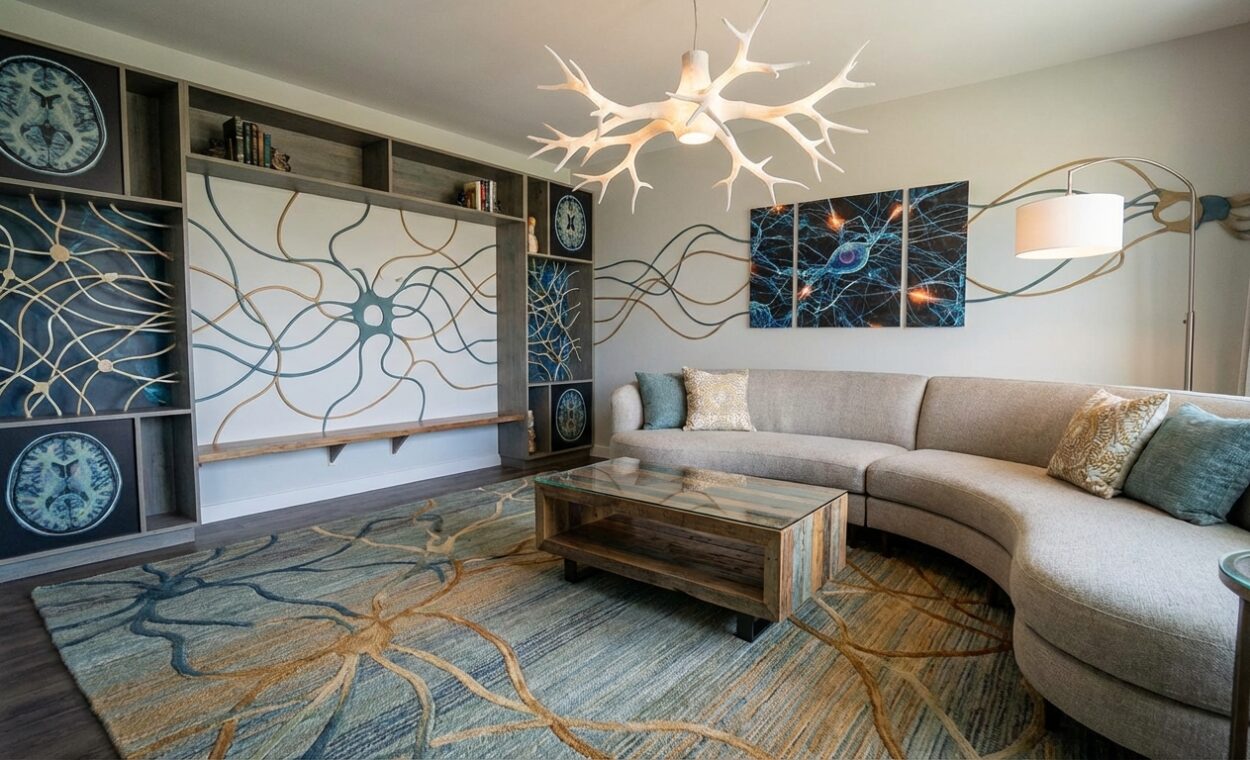
You walk into a room and instantly feel either relaxed or weirdly restless… and you don’t even know why. That’s not random, that’s your brain reacting before you even sit down. That whole thing, yeah, that’s where neuro architecture decor starts creeping in, quietly, almost like background code running your mood.
It’s not just design anymore. It’s neuroscience interior design, mixed with behavior, light, space, even smell sometimes. And once you notice it, you kinda can’t unsee it.
Reverend Terrence Michael Curry, Executive Director of Saint Joseph Studio Workshop and a global professor of architecture, opened the discussion by grounding neuroaesthetics in centuries of philosophical inquiry. “Aesthetics,” he explained, “is not just about beauty—it’s about how a thing imposes an experience on us.” Drawing on thinkers from Plato to Edmund Burke, Curry emphasized that our experience of space is embodied, emotional, and measurable.
https://www.bifma.org/news/706118/Designing-for-the-Mind-How-Neuroaesthetics-is-Reshaping-the-Built-Environment.htm
What Neuro Architecture Decor Even Means
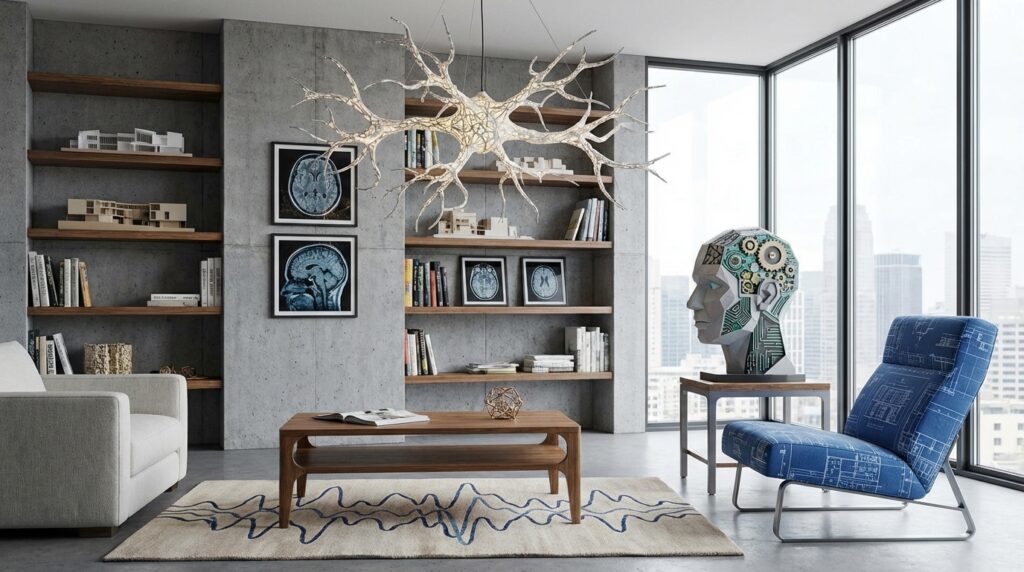
So neuro architecture design is basically how your surroundings mess with your brain… in a good way ideally, not in a chaotic cluttered way.
It studies how things like light, color, ceiling height, spacing all influence how you think and feel. There’s research showing that environments can affect productivity, stress levels, even decision making speed. Like actual measurable changes, not just vibes.
You’re not decorating just for looks anymore. You’re shaping how your brain behaves in that space, which sounds dramatic but also kinda true.
According to Linda Kafka, Co-founder of The Science of Design Summit, “When form, function and efficiency drive business, beauty suffers.” While some have recognized this change of form over beauty was not creating optimal living spaces, it’s taken a long time to understand the value of that beauty. Kafka quotes Carl Sandberg from 1957: “We live in the time of the colossal upright oblong.”
https://www.homeaccentstoday.com/furniture-lighting-and-decor/brain-waves-neuroscience-behind-interior-design/
Your Brain Notices Space Before You Do
Here’s something strange. Your brain scans a room in milliseconds before you consciously react.
Wide open spaces tend to make people feel freer, more creative. Tight cluttered areas can increase stress, even if you don’t realize it immediately.
That’s why spatial layout in interior design matters so much in neuro architecture. It’s not about filling every corner, it’s about how space flows.
I once moved a chair slightly away from a cramped corner and suddenly the room felt less tense. Same room, same furniture, different spacing. Weird but real.
Lighting Is Basically Mood Control (Not Even Exaggerating)
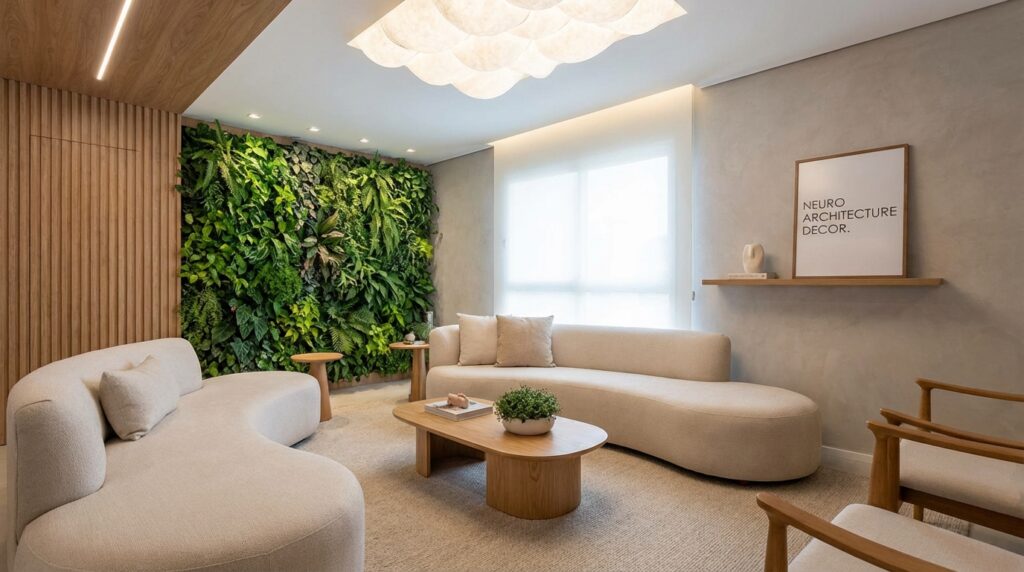
Light affects your brain more than decor ever will.
Natural light improves mood, supports circadian rhythm, helps focus. That’s not design opinion, that’s biology.
Artificial lighting matters too. Warm light relaxes, cool light sharpens attention. Offices use cooler lighting for focus, homes should lean warmer for comfort.
There are studies showing exposure to natural daylight improves productivity and sleep quality. Which explains why rooms with poor lighting feel draining even if they look fine.
So yeah, lighting in neuro architecture is not optional, it’s core.
Colors That Quietly Influence Behavior
Colors aren’t just aesthetic choices, they trigger responses.
Soft blues and greens tend to calm the nervous system. Warmer tones like muted terracotta can create comfort but too much intensity becomes overwhelming.
White spaces can feel clean but also sterile if overdone. That’s why color psychology in interior design is a big part of neuro architecture.
But again, balance. Too many colors and your brain starts working harder to process everything. Not ideal when you’re trying to relax.
Textures Your Brain Can “Feel” Even Without Touching
This part sounds odd but it’s real.
Your brain reacts to texture visually before physical contact. Rough textures feel grounding, soft textures feel safe.
That’s why sensory interior design matters. A mix of materials like wood, fabric, stone creates subtle stimulation without overload.
Flat, overly polished surfaces can feel cold. Add one textured element and suddenly the room feels warmer without changing color or layout.
Clutter Is Basically Cognitive Load (And Your Brain Hates It)
Clutter isn’t just messy, it’s mentally exhausting.
Your brain keeps processing everything it sees, even when you’re not paying attention consciously. More objects means more information to filter.
There was research showing cluttered environments increase cortisol levels, which is your stress hormone. Not great for a place you’re supposed to relax in.
So decluttered spaces in neuro architecture are not just aesthetic, they reduce mental load.
But don’t go extreme minimal either. Empty spaces can feel lifeless. You need some anchors.
Ceiling Height Actually Changes How You Think
This one surprised me honestly.
Higher ceilings are linked with more abstract thinking and creativity. Lower ceilings make people focus more on detail oriented tasks.
So yeah, architecture literally changes thinking patterns.
You can’t change your ceiling height easily, but you can influence perception with vertical elements, lighting, or wall decor.
That’s part of environmental psychology design, shaping perception even when structure stays same.
Biophilic Elements Make Your Brain Relax Faster
Humans respond to nature, it’s built in.
Adding plants, natural materials, even nature inspired colors can lower stress levels. That’s why biophilic interior design overlaps heavily with neuro architecture.
You don’t need a jungle. One plant, some wood, natural light, that’s enough.
Studies have shown exposure to natural elements can improve cognitive performance and reduce mental fatigue. Again, not just design talk.
Sound And Silence Matter More Than You Think
Noise affects your brain constantly.
Too much noise increases stress, too much silence can feel uncomfortable depending on the space.
Soft ambient sound, like light music or even outside noise filtering in gently, can create balance.
Acoustic design is part of neuro architecture decor, even if people don’t talk about it much in home setups.
Ever notice how some rooms feel peaceful even when nothing changed visually? Sound plays a role there.
How To Start Applying Neuro Architecture Without Overcomplicating Everything
Don’t try to redesign your entire home at once. That’s overwhelming and honestly unnecessary.
Start with one room.
Improve lighting first, that’s the biggest impact. Then remove clutter, not everything, just what feels excessive.
Add one natural element, maybe wood or a plant. Adjust colors if needed, but keep it subtle.
Then sit in the room and notice how you feel, not just how it looks. That’s the key difference here.
Why This Approach Feels Different From Regular Decor
Regular decor focuses on appearance. Neuro architecture decor focuses on experience.
It’s less about impressing others and more about how your brain behaves in that space.
You feel calmer without knowing why. Or more focused. Or just… less restless.
And once you notice that shift, going back to chaotic design feels uncomfortable.
Not because it looks bad, but because it feels wrong on a level you can’t fully explain.