Bring Friluftsliv Design Into Your Living Room

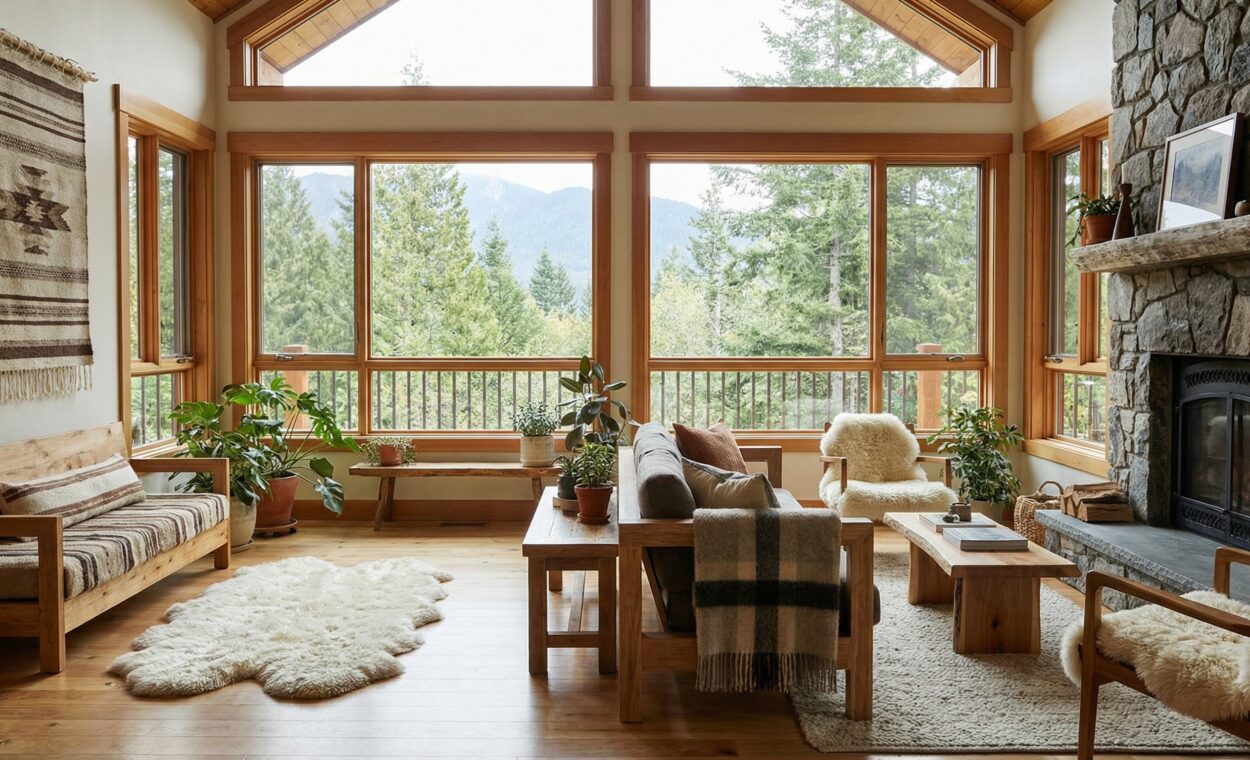
You sit in your living room and something feels… off, not messy not empty just slightly wrong, like the room is holding its breath or something. That’s where friluftsliv design starts making sense, slowly, quietly, almost like it doesn’t want to be noticed but still changes how you feel in the space.
So yeah, friluftsliv, Norwegian word, means open air living but that translation feels too neat honestly. It’s more like you bring a bit of outside into your room without forcing it, without turning everything into some fake nature theme.
The ancient Norwegian philosophy of Friluftsliv (pronounced free-loofts-liv) is nothing new in Scandinavia. The expression literally translates to “free air life” (or “open air living”) and was popularised in 1859 by playwright and poet Henrik Ibsen, who used the term to describe the value of spending time in remote locations for spiritual and physical wellbeing. Ultimately, the goal is to live a content and fulfilled life by connecting with the world outside and appreciating nature’s beauty. As a result, Friluftsliv should alleviate the stress and anxieties of everyday life – and there’s a wealth of evidence behind this concept.
https://bedthreads.com.au/blogs/journal/how-to-friluftsliv-interiors
What Friluftsliv Design Means Inside Your Living Room
You don’t go full outdoor mode, you just soften the room, let it connect with nature in small ways. Friluftsliv interior design is less about decorating and more about removing what feels unnecessary.
There was a wellness report that showed people exposed to natural environments regularly had lower stress levels, and during recent years searches for nature inspired home decor and biophilic design living room increased quite a bit. That tells you something, people want calmer spaces even if they don’t say it directly.
The word, which translates to “open-air living,” was first coined by famed Norwegian playwright and poet Henrik Ibsen and has evolved to mean so much more, explains Linda Åkeson McGurk in her book The Open Air Life: Discover the Nordic Art of Friluftsliv and Embrace Nature Everyday. “The idea of consciously using nature for rest and recreation in the way we today call friluftsliv is less than two hundred years old,” she writes.
https://www.livingetc.com/ideas/friluftsliv-interior-design
Natural Light Does More Than Decor Ever Will
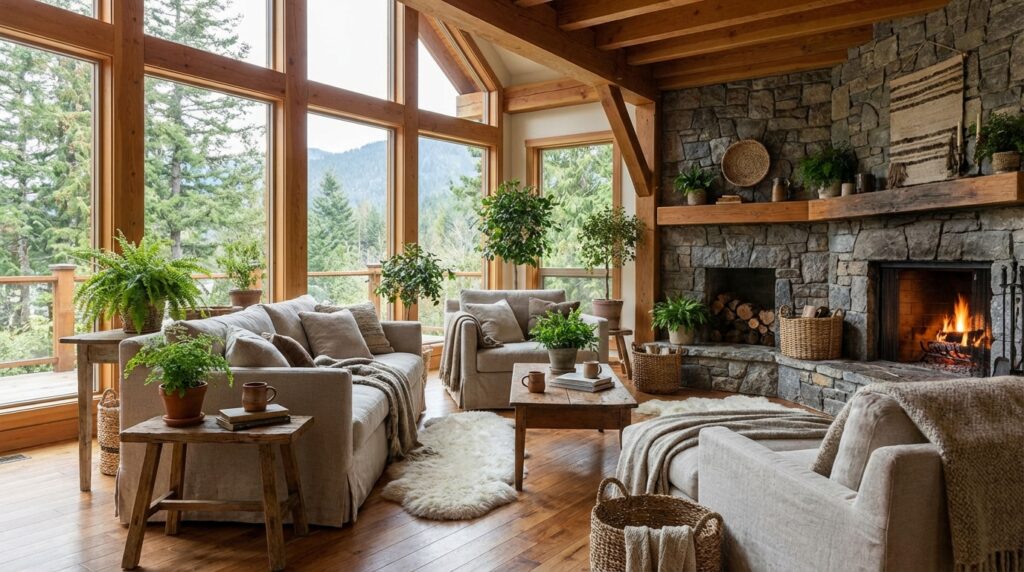
Before anything else, light matters. If sunlight enters your room, don’t block it with heavy curtains or dark blinds, that’s where many people mess up.
Let the light move through the room during the day, it adds life without you doing anything. If light is limited, use warm lamps, soft tones, nothing harsh because harsh lighting ruins the whole feel instantly.
I once removed a thick curtain and the room felt bigger, like it finally exhaled, weird how that works.
Materials That Feel Real Not Overprocessed
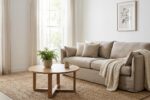
You want materials that feel honest, not polished to perfection. Natural living room decor leans toward wood, linen, wool, sometimes stone.
A slightly imperfect wooden table feels better than a shiny flawless one, even if you can’t explain it properly. Studies around biophilic design suggest natural materials can improve mood and reduce stress, which sounds obvious once you notice it.
Just don’t overload the room, one or two natural elements are enough most of the time.
Colors That Quietly Echo The Outdoors
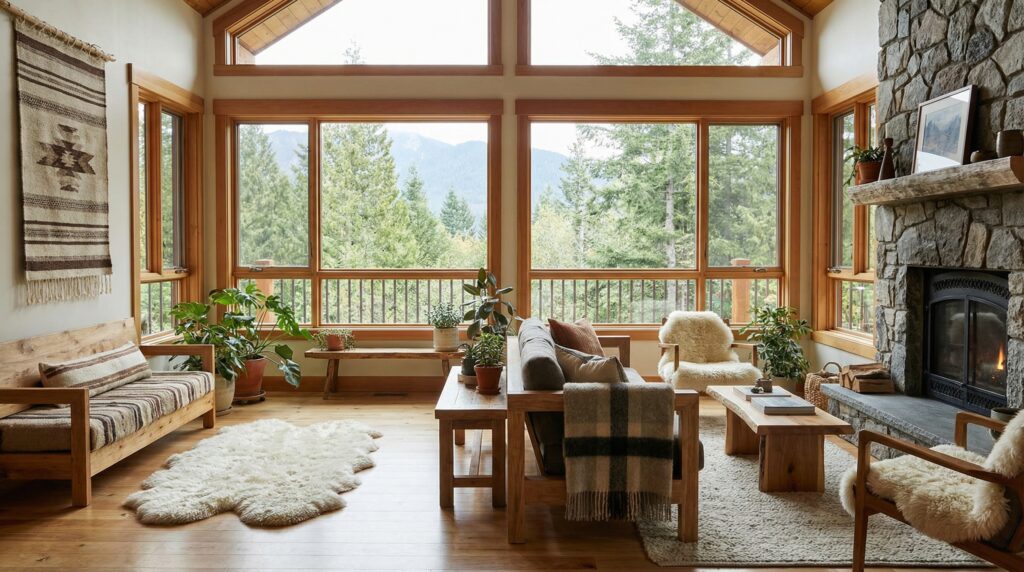
You don’t need bold greens or dramatic tones, that’s where people go wrong. Friluftsliv color palette stays soft and grounded.
Muted greens, off whites, light browns, maybe a faded blue, colors that don’t compete. But don’t make everything identical either, slight variations keep it alive.
Too much uniformity makes the room feel staged, like nobody actually lives there.
Furniture That You Actually Want To Sit On
This part matters more than wall decor honestly. Your seating should invite you to stay, not just look good.
Nordic living room furniture focuses on comfort with simplicity. Clean lines but not stiff, functional but not cold.
A chair near a window, slightly oversized, that’s very friluftsliv energy. You sit, you pause, you don’t rush, which feels rare these days.
Plants That Add Life Without Taking Over
Plants help, but keep it controlled. One or two plants are usually enough.
Too many plants and suddenly it feels cluttered again, like you overcorrected. Indoor plant interest has grown a lot recently, but friluftsliv home decor keeps things balanced.
One plant near natural light can anchor the whole room in a quiet way.
Texture Over Decoration Every Time
Flat spaces feel empty even when they’re full. Texture fixes that.
Wool throws, linen cushions, slightly rough surfaces, these add depth without adding clutter. You don’t need ten cushions, one or two is enough.
It’s strange how texture changes perception, the room starts feeling lived in without actually adding more objects.
Let Some Corners Stay Untouched
Not every corner needs attention, that’s something people struggle with a lot.
In friluftsliv living room design, empty corners are intentional, not forgotten. They give your eyes space to rest.
If everything is filled, your brain doesn’t get a break, and that low level tension builds up without you noticing.
Subtle Outdoor References Work Better Than Obvious Ones
You don’t need dramatic nature themes. Keep it subtle.
A landscape photo, a woven basket, a small stone decor piece, things that hint at outdoors without being loud. Even books related to nature or travel add to the feeling quietly.
Too obvious and it starts feeling forced, which breaks the whole idea.
Mistakes That Quietly Ruin The Whole Setup
Overdecorating is the biggest one. Trying too hard to make it look like nature instead of feeling natural.
Using too many materials, too many colors, filling every surface. Also copying setups exactly from online images rarely works.
Your space behaves differently, your light is different, your habits are different. Friluftsliv design adjusts to you, not the other way around.
How You Start Without Overthinking Everything
Pick one section of your living room, not the whole space. Remove a few items first, that alone changes a lot.
Then add one natural element, maybe wood or fabric. Adjust lighting if needed.
Sit there for a while, see how it feels instead of how it looks. Then add slowly if something still feels missing.
Why This Style Feels Calm Without Trying
It doesn’t try to impress anyone, that’s the thing.
But you sit longer in the room, you don’t feel restless, your mind slows down a bit without effort.
And maybe that’s what most living rooms need right now, not more decor, not more trends, just less noise and a little connection to something outside.
Not perfect, not empty, just quietly balanced. That’s friluftsliv design doing its thing.

Mason Reed is a home improvement enthusiast and DIY renovation expert based in Austin, Texas. With a background in carpentry and over a decade of project experience, he focuses on step-by-step guides for homeowners tackling renovations themselves. His content covers tool selection, beginner-friendly remodeling projects, and cost-saving techniques. Mason’s approachable style empowers readers to take control of their home upgrades with confidence.